Bangladesh T-Shirt Wholesale: Complete Pricing, MOQ, Fabric & Export Guide
Bangladesh is one of the world's largest t-shirt exporters, combining decades of knit-fabric expertise with competitive, factory-direct pricing. This guide covers everything a buyer needs to know before placing a wholesale t-shirt order from Bangladesh - fabric choices, what actually drives cost, minimums, customization, quality control, and the export process.
Why Bangladesh for T-Shirt Wholesale
Bangladesh's garment industry has specialized in knit fabric production and t-shirt manufacturing for decades, backed by large-scale regional cotton and yarn access and a labor cost structure that keeps factory-direct pricing competitive against most other sourcing regions. It's also simply a high-volume category here - t-shirts and knitwear make up a large share of the country's overall garment exports, which means deep, well-established production infrastructure rather than a niche capability.
Fabric Types and Weight (GSM)
Fabric is the single biggest driver of both cost and feel. The main choices:
- 100% combed cotton: finer, more uniform yarn with a softer handfeel and cleaner surface - the standard choice for premium or fashion-positioned t-shirts
- 100% carded cotton: a rougher, less processed cotton yarn, more affordable, suited to basic or budget-positioned tees
- Cotton-polyester blends: better shape retention, reduced shrinkage, and often a lower landed cost than 100% cotton, commonly used for performance or athletic-styled tees
Fabric weight (GSM - grams per square meter) shapes how a tee drapes and feels:
- 140-160 GSM: lightweight, suited to warm-climate or athletic/performance tees
- 160-180 GSM: the most common weight range for everyday fashion and basics tees
- 200-240+ GSM: heavyweight, suited to streetwear-style tees that hold structure and drape heavier
What Drives T-Shirt Pricing
- Fabric quality and weight: combed cotton and higher GSM both add cost over carded, lighter-weight alternatives
- Printing or embroidery: screen printing, DTF, and embroidery each add cost based on design complexity and number of colors/placements
- Order volume: larger orders bring the per-piece price down as setup and fabric-roll costs are spread across more units
- Customization: private label neck labels, custom packaging, and hang tags add a modest per-unit cost
- Style complexity: a plain crew-neck tee costs less to produce than a long-sleeve, pocket, or multi-panel style
Because these factors interact, there's no single "per-piece" price that applies across the board - pricing is always quoted against your exact fabric, style, and customization specification.
T-Shirt Styles We Manufacture
Red Rooks Apparel produces the full range of standard wholesale t-shirt styles, including:
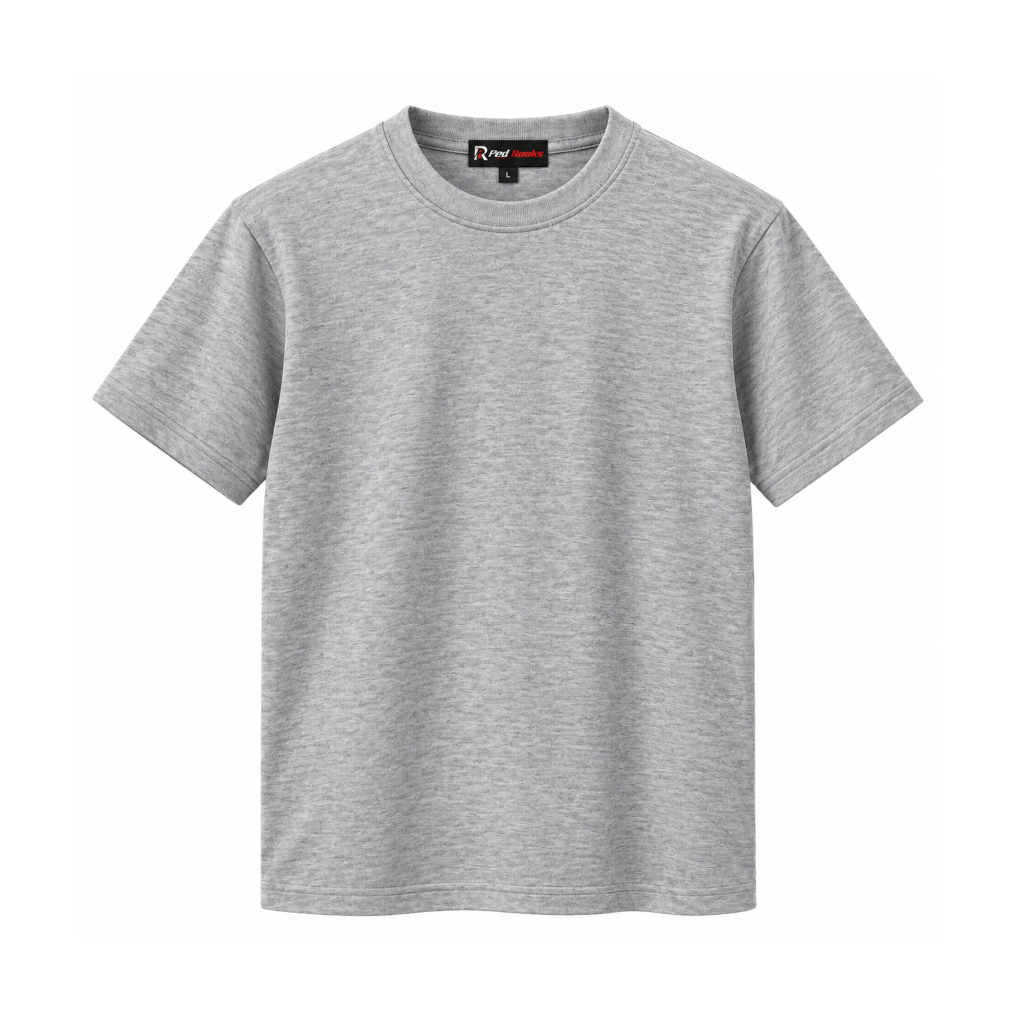
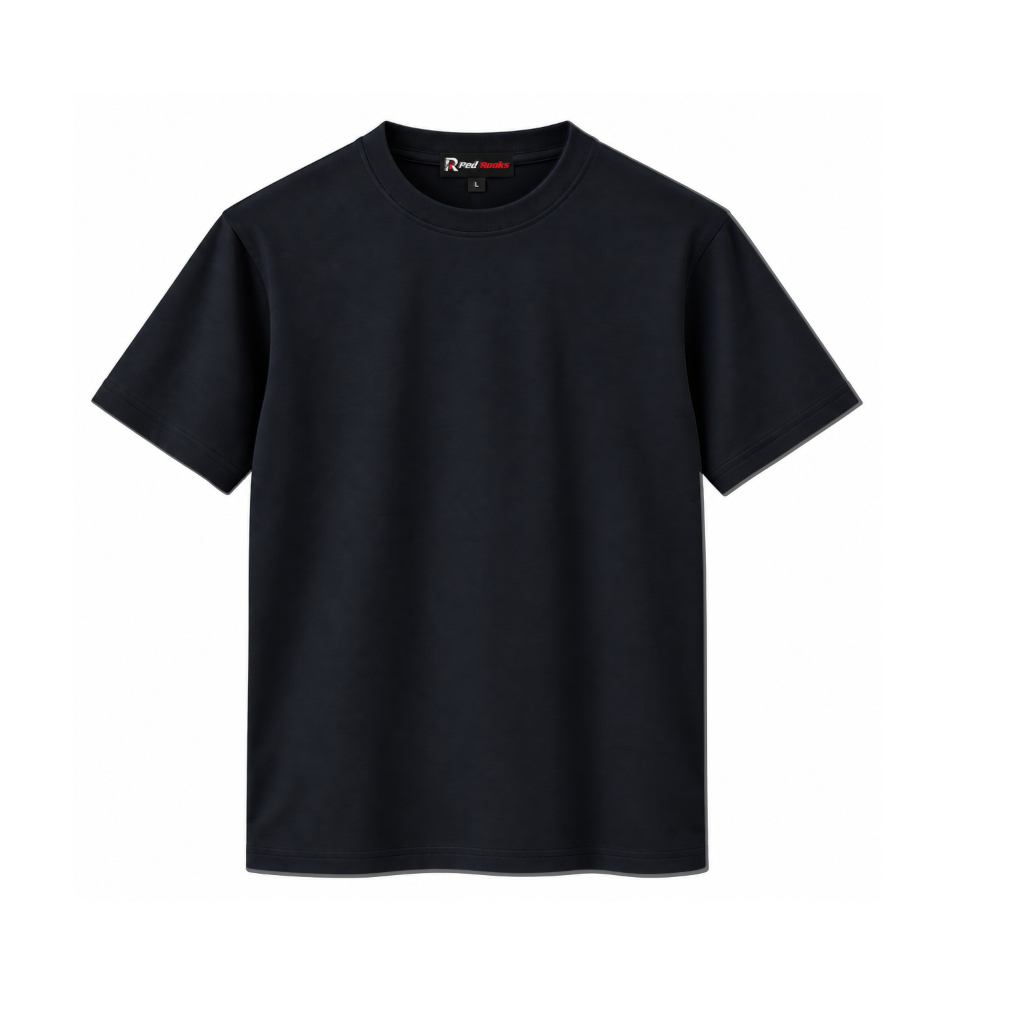
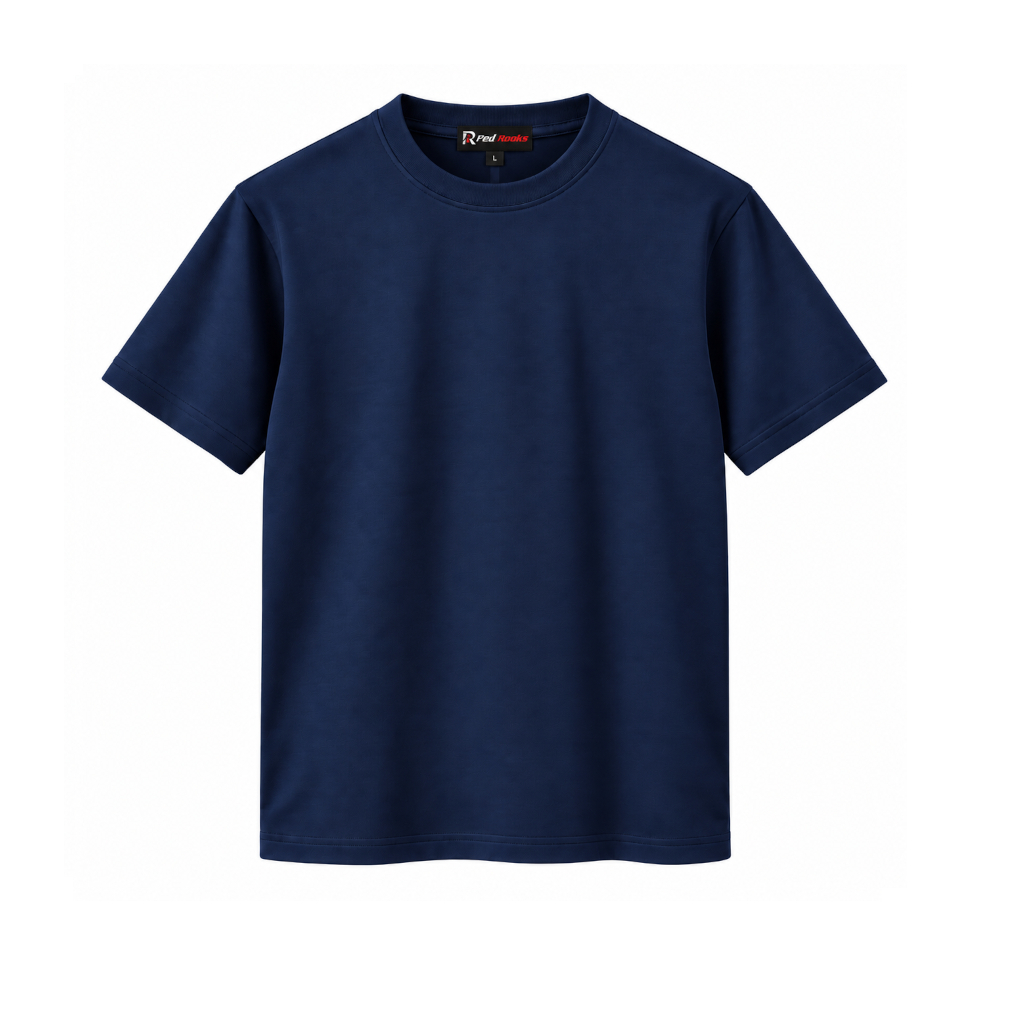
- Blank cotton crew-neck t-shirts (the standard wholesale base style)
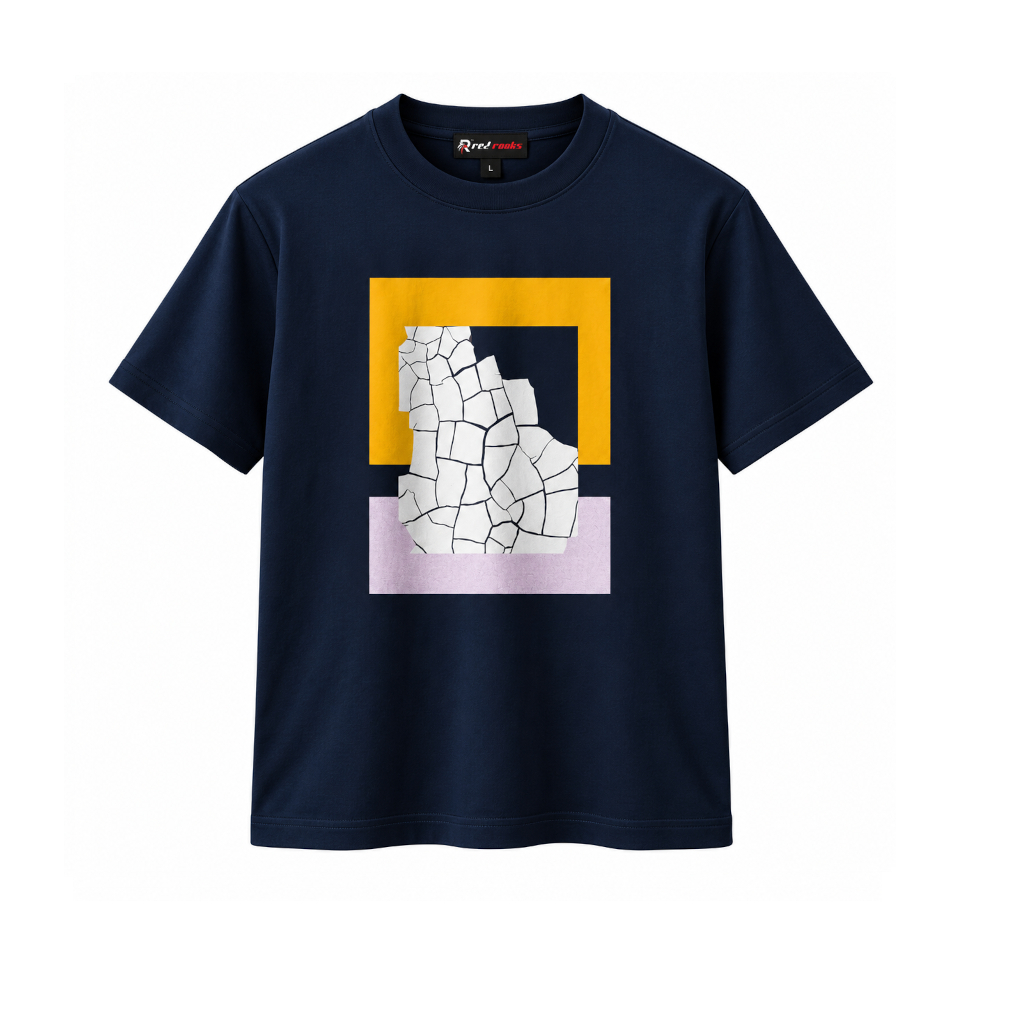
- Custom printed t-shirts (screen print, DTF, or embroidery)
- Organic cotton t-shirts
- Performance/athletic t-shirts (moisture-wicking blends)
- V-neck t-shirts
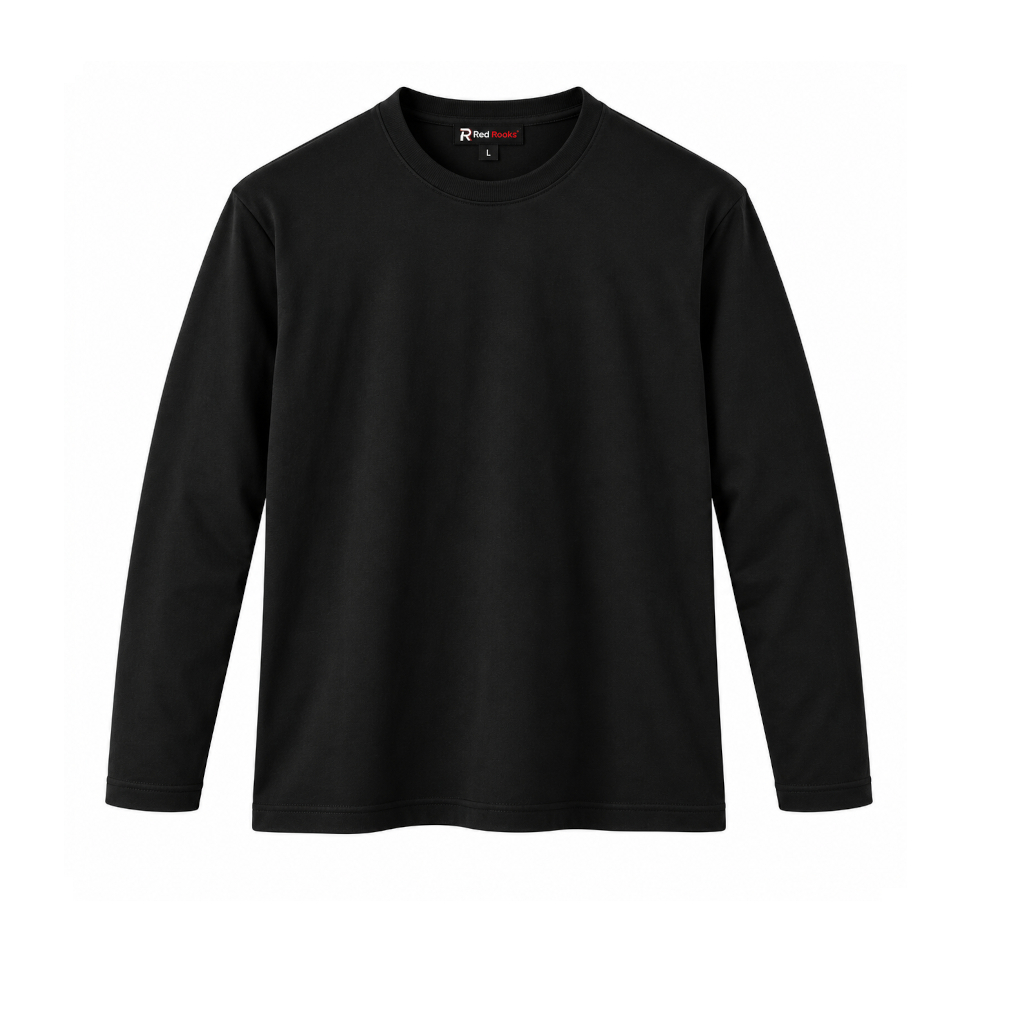
- Long sleeve t-shirts
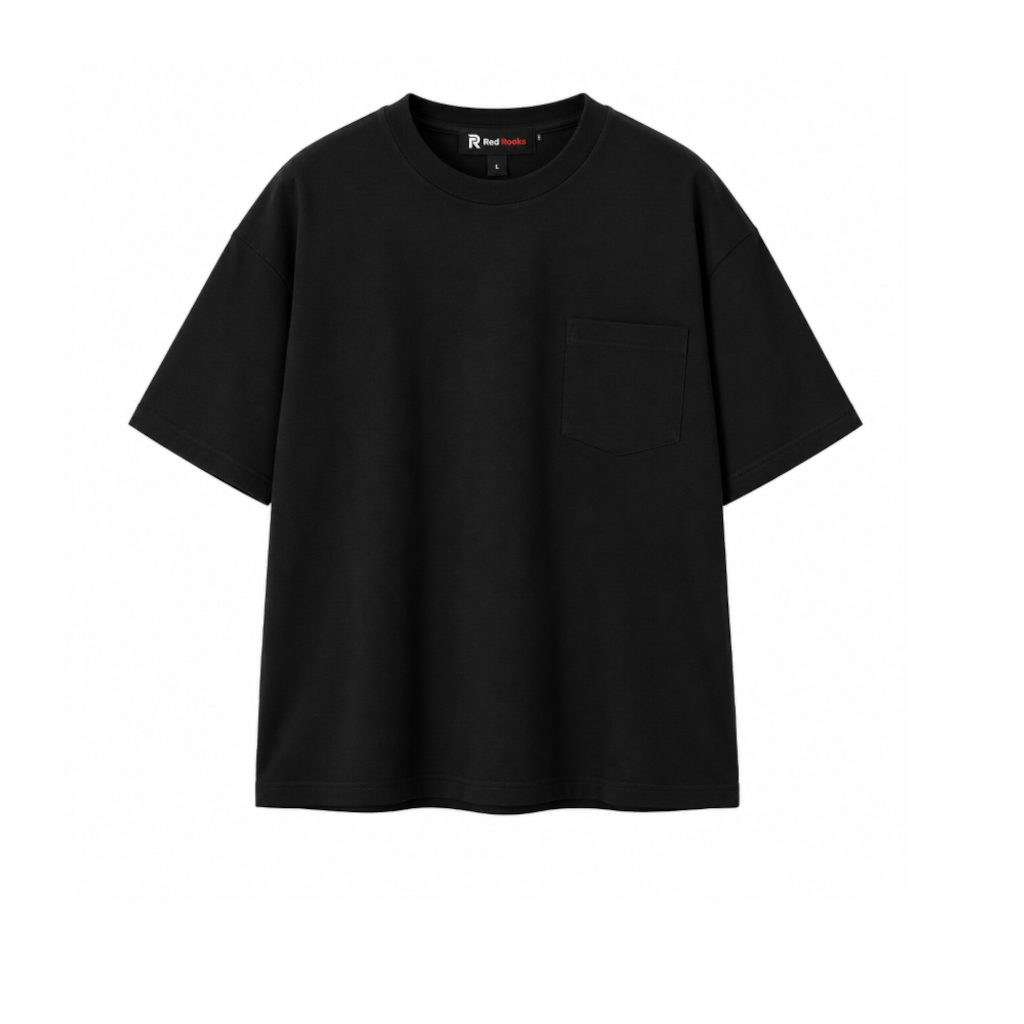
- Pocket t-shirts
- Youth and kids t-shirts
- Heavyweight t-shirts
See our current range in the product showcase below, or browse the full wholesale shop.
Minimum Order Quantity (MOQ)
MOQ for t-shirts varies significantly by factory. Large composite mills built around mass-retail volume often require several thousand pieces per style; smaller, buyer-focused manufacturers set much lower minimums suited to growing brands and private label buyers. Red Rooks Apparel's MOQ is 500 pieces per style - low enough for a growing brand's first production run, without the container-scale commitment larger factories expect.
Customization and Private Label
Every t-shirt order can be branded to your specification:
- Screen printing: cost-effective for larger runs or simpler, limited-color designs
- DTF (direct-to-film) printing: good for smaller runs or complex, full-color designs
- Embroidery: premium feel, best suited to logos and smaller design elements
- Private label packaging: woven neck labels, custom hang tags, and branded polybags, added to any order
Quality Control
A reliable factory inspects garments at multiple stages, not just at the end:
- Fabric inspection: verifying GSM, composition, and colorfastness before cutting
- Inline inspection: checking stitch quality and construction during sewing
- Measurement checks: confirming garments fall within agreed size tolerances
- Final inspection: a last check before packing, catching print/embroidery defects or stray stitching issues
Production Lead Times
Once a sample is approved, typical production lead time for a t-shirt order runs around 7-14 days, depending on order volume and complexity - custom printing or embroidery adds time versus a plain garment, and larger orders naturally take longer than smaller ones.
Export and Shipping Guide
- Shipping method: sea freight via Chattogram port for most bulk orders; air freight for smaller or time-sensitive shipments
- Incoterms: FOB (Free on Board) Chattogram is the standard quoting basis for Bangladesh garment exports
- Documentation: commercial invoice, packing list, and bill of lading are standard; confirm with your freight forwarder who handles customs clearance on your end
- Timeline: ocean transit time varies significantly by destination region, so build this into your overall timeline alongside production lead time
Why Buyers Choose Red Rooks Apparel
Red Rooks Apparel is a Dhaka-based OEM/ODM garment manufacturer, founded in 2021, operating with 200+ skilled workers and 69 production machines, currently shipping to buyers in 25+ countries. We work with buyers directly - no hidden subcontracting layers - with an MOQ of 500 pieces per style and private-label packaging available on every order.
If you're sourcing wholesale t-shirts for your brand, retail business, or private label line, contact Red Rooks Apparel for current pricing, MOQ, and lead times on your exact specification.
Comments (0)
No comments yet. Be the first to share your thoughts!